
Professional card dealing is a skilled occupation that demands technical proficiency, psychological composure, and deep familiarity with game rules, procedures, and etiquette. Poker analyzers—while primarily discussed in the context of player advantage—are also valuable training tools for new dealers and croupiers who are developing their craft. This article examines how AKK, CVK, and related poker analyzer systems can be leveraged in dealer training programs to accelerate skill development, improve deal quality, and enhance the overall professionalism of new casino and card room staff.
The Dealer Training Challenge
Training new poker dealers is a resource-intensive process. A competent dealer must master numerous simultaneous skill domains: physical dealing techniques, game rule enforcement, chip handling, customer interaction, and the ability to identify and respond to irregular game situations. Traditional training relies on supervised practice, peer feedback, and gradual exposure to live game conditions.
This traditional approach has inherent limitations. Human trainers cannot observe every dealing action with equal attention. Feedback is subjective and depends on trainer availability. Identifying subtle dealing irregularities—such as consistent card exposure, uneven shuffle quality, or procedural timing deviations—requires extensive experience that new dealers have not yet accumulated.
Poker analyzer technology addresses these limitations by providing objective, continuous monitoring of dealing quality that supplements human training supervision.
Technical Training Applications
Shuffle Quality Analysis
Card shuffling represents one of the most technically demanding aspects of poker dealing. Proper shuffling technique—riffle shuffling, strip shuffling, and mash shuffling in the correct sequence—ensures cryptographic randomness that protects game integrity. Inadequate shuffling creates predictability that can be exploited by observant players.
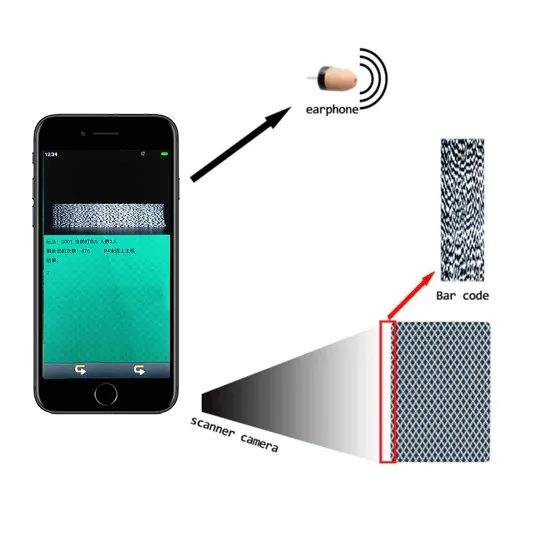
Poker analyzers equipped with barcode or infrared marked cards and appropriate software analysis modules can evaluate shuffle quality objectively. By scanning cards before and after a shuffle sequence, the analyzer can calculate shuffle randomness metrics and identify patterns—cards that consistently remain near their pre-shuffle positions, suites that clump together after shuffling, or certain deck zones that retain order despite shuffling attempts.
Training applications include:
– Providing new dealers with immediate feedback on shuffle technique quality
– Identifying specific shuffle patterns that create predictable card distributions
– Tracking shuffle improvement over time as technique develops
– Creating standardized shuffle proficiency benchmarks that all trainees must meet
Deal Consistency Evaluation
Consistent card dealing is essential for maintaining game pace and preventing disputes. Cards should be dealt at a steady rate, one card at a time in the correct sequence, without exposing card values to unintended recipients. New dealers frequently exhibit tendencies toward inconsistent deal speed, occasional two-card deals, or inadvertent card exposure.
When the analyzer system is configured in a training mode, it can record deal timing, sequence correctness, and card exposure events. This data enables trainers to provide trainees with detailed performance metrics rather than general subjective impressions. A new dealer who believes they are dealing consistently can be shown objective data indicating specific timing irregularities or exposure frequencies that they were not consciously aware of.
Chip Float and Pot Management
While poker analyzers do not directly measure chip handling, the data they collect on hand outcomes can inform training in chip-related skills. By tracking the relationship between betting actions and hand outcomes over training sessions, trainers can identify situations where pot management, chip floating, and bet sizing decisions diverge from optimal patterns.
This application is more advanced and typically requires integration with specialized casino management software, but the underlying hand outcome data from the analyzer system provides the foundation for such analysis.
Configuring Analyzers for Training Mode
Setting Up Training Analysis
Training applications require a modified configuration compared to standard operational use. The key differences include:
Extended Logging: Training mode activates comprehensive event logging that captures every deal, every betting round, and every scan event. Standard operational configurations typically log only summary statistics to preserve storage and processing resources.
Manual Override Capability: Trainers need the ability to override or annotate analyzer records when they observe events that the system may not have captured correctly. For example, if a dealer executes a deliberately improper shuffle as a demonstration, the trainer can annotate the log to explain why the analyzer’s negative quality assessment is expected.
Multi-Player Simulation: Training configurations may simulate multiple player positions to expose trainees to scenarios that do not arise frequently in actual games. The analyzer can generate simulated betting patterns that test the dealer’s response to various game states.
Post-Session Reporting: Training configurations generate comprehensive post-session reports that summarize trainee performance across all measured dimensions. These reports serve as objective training records and identify specific areas requiring improvement.
Physical Dealing Skills Development
Speed and Rhythm Training
Professional poker dealers maintain a consistent dealing rhythm that creates a smooth game pace while allowing adequate time for player decisions. Poker analyzer timing data provides objective measurements of dealing speed across sessions, enabling trainees to track their rhythm development against defined benchmarks.
Speed training should not prioritize raw dealing velocity at the expense of accuracy. The optimal dealing speed depends on the game type, player expectations, and the complexity of decisions required. Training programs should establish appropriate speed targets for each game type rather than pursuing uniform maximum speed Trusted Poker Analyzer Supplier.
Card Handling Proficiency
Proper card handling—keeping cards below table level, maintaining card stack control, executing clean burns and community card placements—requires extensive practice to develop as a natural reflex. Poker analyzer training systems can track card handling events and flag instances of potential exposure, stack control failures, or improper card placement.
This feedback accelerates the development of proper card handling habits that might otherwise require months of live dealing experience to establish consistently.
Psychological Training Support
Pressure Response Conditioning
New dealers often experience performance degradation under pressure—betting situations with large pots, demanding players, or unfamiliar game variations. Poker analyzer training systems can simulate high-pressure scenarios by introducing time constraints, unexpected events, and complex decision points into training sessions.
By repeatedly exposing trainees to simulated pressure situations, training programs can develop more consistent dealing performance that holds up under the pressures of actual casino operation.
Confidence Building Through Objective Feedback
The objective nature of analyzer-based training feedback supports confidence building. New dealers can see tangible evidence of their improvement over time, which reinforces continued development and maintains motivation. The ability to demonstrate proficiency against objective benchmarks also provides trainees with credentials that support their professional credibility.
Integration with Broader Training Programs
Structured Training Curriculum
Professional dealer training programs should integrate analyzer-based modules within a broader curriculum that includes:
– Classroom instruction: Game rules, procedures, and regulatory requirements taught through traditional educational methods
– Supervised practice sessions: Live dealing practice with human trainer observation and guidance
– Analyzer-augmented sessions: Self-directed or supervised practice with objective performance measurement
– Progressive complexity scheduling: Starting with simple heads-up games and progressively adding complexity with additional players, more complex variants, and higher-pressure scenarios
– Live assessment: Final evaluation through actual game dealing with real players and trainer observation
Assessment and Certification
Analyzer-generated performance data can support formal dealer certification processes. By establishing minimum proficiency thresholds across key metrics—shuffle quality score, deal accuracy percentage, timing consistency index—training programs can create objective certification criteria that supplement or replace entirely subjective trainer assessments.
Ethical Considerations
Using poker analyzers in dealer training raises important ethical considerations that training programs should address explicitly. The training purpose—developing professional dealing skills—is legitimate and beneficial. However, the technology itself remains associated with advantage-play applications that are prohibited in regulated gaming environments.
Training programs should clearly separate the use of analyzer technology for skill development from any association with competitive advantage in actual play. Trainees should understand that the technology is a training tool, not a reference for operational practices in regulated casino environments.
Conclusion
Poker analyzer systems offer significant potential for accelerating and improving professional dealer training programs. By providing objective, continuous, and detailed performance measurement across dealing speed, shuffle quality, card handling consistency, and pressure response, analyzer-based training supplements traditional human supervision with data-driven insights that would otherwise require months or years of live experience to accumulate. Professional card room operators and casino training departments should evaluate analyzer-based training modules as components of their comprehensive dealer development curricula.
Frequently Asked Questions
Q: Do poker dealers in regulated casinos use analyzers during actual games?
A: No. The use of advantage devices by dealers or players is prohibited in regulated casino environments and constitutes a serious criminal offense. Poker analyzers in casino training are used only in controlled training contexts, not during actual games.
Q: What specific metrics should training programs track with analyzer systems?
A: Key metrics include shuffle quality score (card randomization index), deal accuracy percentage, average deal timing and variance, card exposure event frequency, betting round procedural compliance, and hand resolution correctness.
Q: Can poker analyzer training systems be used for croupier training beyond poker?
A: The core principles—shuffle evaluation, deal consistency, card handling assessment—apply to any casino card game. Specific configurations for blackjack, baccarat, or other card games would require variant-specific analysis modules.
Q: How long does it take for a new dealer to reach proficiency using analyzer-augmented training?
A: Analyzer-augmented training typically accelerates proficiency development by 30-50% compared to traditional methods. A new dealer might achieve basic competency in 4-6 weeks with analyzer augmentation versus 8-12 weeks with traditional training alone.
Q: What is the minimum equipment requirement for dealer training applications?
A: A basic training setup requires one compatible analyzer device, multiple decks of marked cards, training mode firmware or software, and a tablet or computer for post-session report review. More advanced setups add multiple analyzer devices for multi-table training scenarios.